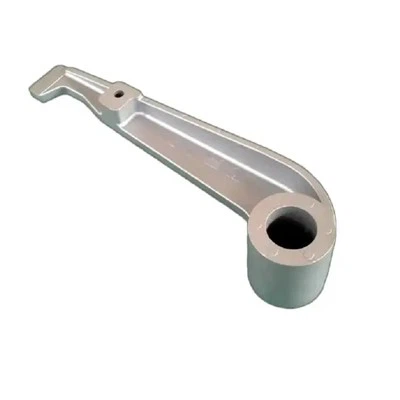
As a supplier of Robotic Swing Arms, ensuring the long - term stability of these critical components is not only a technical challenge but also a key factor in meeting our customers' needs. In this blog, I will share some insights and strategies on how to achieve this goal.
Understanding the Structure and Function of Robotic Swing Arms
Before delving into the methods of ensuring long - term stability, it's essential to understand the basic structure and function of a Robotic Swing Arm. A robotic swing arm typically consists of a base, a joint system, and an end - effector. The base provides a stable platform for the arm, while the joint system allows for movement in multiple directions. The end - effector is the part that interacts with the external environment, such as picking up objects or performing specific tasks.


The movement of the robotic swing arm is usually controlled by a combination of motors, gears, and sensors. Motors provide the power for movement, gears transmit the power and adjust the speed, and sensors provide feedback on the position and orientation of the arm. Any malfunction in these components can lead to instability in the robotic swing arm.
Selecting High - Quality Components
One of the most fundamental steps in ensuring the long - term stability of a robotic swing arm is to select high - quality components. This includes motors, gears, bearings, and sensors. For example, when choosing a motor, we need to consider its power, torque, and efficiency. A high - power motor with sufficient torque can ensure that the robotic swing arm can perform tasks smoothly, while a motor with high efficiency can reduce energy consumption and heat generation.
Gears are also crucial components in a robotic swing arm. A Gearbox Of Reduced Speed Motor can adjust the speed and torque of the motor, allowing the robotic swing arm to operate at the appropriate speed. When selecting gears, we should pay attention to their material, precision, and durability. High - quality gears made of strong materials can withstand high loads and reduce wear and tear.
Bearings are responsible for supporting the rotating parts of the robotic swing arm. They need to have low friction and high load - carrying capacity. By choosing high - quality bearings, we can reduce energy loss and extend the service life of the robotic swing arm.
Sensors play a vital role in providing feedback on the position, orientation, and force of the robotic swing arm. Accurate sensors can ensure that the robotic swing arm operates precisely and stably. Therefore, we should select sensors with high accuracy and reliability.
Proper Installation and Calibration
Proper installation and calibration are also essential for the long - term stability of a robotic swing arm. During the installation process, we need to ensure that all components are correctly assembled and tightened. Any loose parts can cause vibrations and instability during operation.
Calibration is the process of adjusting the robotic swing arm to ensure its accuracy and precision. This includes calibrating the position, orientation, and movement range of the arm. By performing regular calibration, we can correct any errors that may occur over time and ensure that the robotic swing arm operates within the specified parameters.
Regular Maintenance and Inspection
Regular maintenance and inspection are crucial for detecting and preventing potential problems in the robotic swing arm. Maintenance tasks may include cleaning, lubrication, and replacement of worn - out parts. Cleaning the robotic swing arm can remove dust and debris that may affect its performance. Lubrication of moving parts can reduce friction and wear, while replacing worn - out parts can prevent breakdowns.
Inspection is also an important part of maintenance. We should regularly check the condition of all components, including motors, gears, bearings, and sensors. Any signs of wear, damage, or malfunction should be addressed immediately. By detecting and fixing problems early, we can prevent them from escalating and causing more significant issues.
Environmental Considerations
The environment in which the robotic swing arm operates can also affect its long - term stability. Factors such as temperature, humidity, and dust can have a negative impact on the performance of the robotic swing arm. For example, high temperatures can cause the components to expand and affect their accuracy, while high humidity can lead to corrosion.
To mitigate these environmental effects, we can take several measures. For instance, we can install temperature - control systems to maintain a stable operating temperature. Dust - proof enclosures can be used to protect the robotic swing arm from dust and debris. Additionally, we can choose components that are resistant to corrosion and environmental damage.
Software and Control System Optimization
The software and control system of the robotic swing arm also play a crucial role in ensuring its long - term stability. The control system is responsible for coordinating the movement of the arm and ensuring that it performs tasks accurately. By optimizing the software and control system, we can improve the performance and stability of the robotic swing arm.
This may include implementing advanced control algorithms, such as PID (Proportional - Integral - Derivative) control, to improve the accuracy of the movement. Additionally, the software can be designed to monitor the performance of the robotic swing arm in real - time and adjust the control parameters accordingly.
Training and Education
Finally, providing training and education to the users of the robotic swing arm is essential for ensuring its long - term stability. Users should be trained on how to operate the robotic swing arm correctly, perform basic maintenance tasks, and identify potential problems. By having well - trained users, we can reduce the risk of improper operation and damage to the robotic swing arm.
In conclusion, ensuring the long - term stability of a robotic swing arm requires a comprehensive approach that includes selecting high - quality components, proper installation and calibration, regular maintenance and inspection, environmental considerations, software and control system optimization, and training and education. As a supplier of Robotic Swing Arms, we are committed to providing our customers with high - quality products and services to ensure the long - term stability of their robotic swing arms.
If you are interested in our robotic swing arms or have any questions about their long - term stability, please feel free to contact us for further discussion and potential procurement.
References
- [1] "Robotics: Modelling, Planning and Control" by Bruno Siciliano, Lorenzo Sciavicco, Luigi Villani, and Giuseppe Oriolo.
- [2] "Industrial Robotics: Technology, Programming, and Applications" by Peter Corke.