Optimizing the layout of mechanical parts in a device is a critical endeavor that can significantly impact the device's performance, functionality, and manufacturing efficiency. As a reputable mechanical parts supplier, we understand the nuances and challenges involved in achieving an optimal layout. This blog will explore key strategies and considerations for optimizing the layout of mechanical parts within a device.
Understanding the Device Requirements
Before delving into the layout optimization process, it is essential to have a comprehensive understanding of the device's requirements. This includes its intended function, operating environment, performance specifications, and any regulatory or safety standards that must be met. For instance, if the device is designed for use in a high - temperature environment, the layout should ensure that heat - sensitive parts are properly shielded or ventilated.


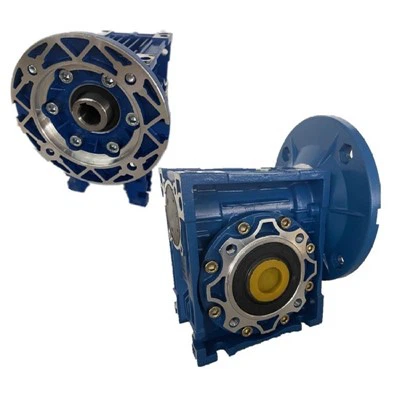
The first step is to create a detailed functional flowchart of the device. This flowchart will outline the sequence of operations and interactions between different mechanical parts. By visualizing the device's functionality in this way, it becomes easier to identify the key components and their relationships. For example, in a manufacturing machine, the flowchart might show how raw materials enter the system, are processed by various mechanical parts such as Small Aluminum Gearbox, and then exit as finished products.
Space Utilization
Efficient space utilization is a cornerstone of mechanical parts layout optimization. Devices often have limited physical space, especially in applications such as consumer electronics or portable machinery. To make the most of the available space, we need to consider the size and shape of each part and how they can be arranged to minimize wasted space.
One approach is to use modular design principles. By grouping related parts into modules, we can create a more organized and compact layout. For example, in a CNC machine, the control system, power supply, and CNC Lathe Pull - back Spring Collet can be integrated into separate modules. These modules can then be arranged in a way that maximizes space utilization while also facilitating maintenance and replacement.
Another aspect of space utilization is the orientation of parts. Some parts may have a more compact footprint when oriented in a particular direction. For instance, long and slender parts can be arranged parallel to each other to reduce the overall width of the device. Additionally, we can utilize three - dimensional space more effectively by stacking parts where possible, as long as it does not interfere with their functionality or maintenance accessibility.
Assembly and Maintenance Considerations
The layout of mechanical parts should also take into account the ease of assembly and maintenance. During the assembly process, parts should be arranged in a logical order that allows for efficient installation. This means that parts that need to be installed first should be easily accessible, and complex assemblies should be broken down into smaller, more manageable sub - assemblies.
For maintenance purposes, critical components should be located in areas that are easy to reach. This includes providing enough clearance around parts for tools to be used during disassembly and reassembly. For example, if a CNC Metal Stamping mechanism requires frequent maintenance, it should be placed in a location where technicians can access it without having to remove a large number of other parts.
Furthermore, the layout should allow for easy identification of parts. This can be achieved through the use of labels, color - coding, or standardized part placement. When parts are clearly labeled and easy to find, it reduces the time and effort required for maintenance and troubleshooting.
Thermal Management
Thermal management is a crucial factor in the layout of mechanical parts, especially in devices that generate a significant amount of heat. Heat can cause components to malfunction or degrade over time if not properly managed. Therefore, the layout should be designed to facilitate heat dissipation.
One way to manage heat is to separate heat - generating components from heat - sensitive ones. For example, if a motor in a device generates a lot of heat, it should be placed away from sensors or electronic circuits that are sensitive to high temperatures. Additionally, the layout should allow for the installation of heat sinks, fans, or other cooling devices in strategic locations. Heat sinks can be attached to heat - generating components to increase their surface area for heat dissipation, while fans can be used to circulate air and remove heat from the device.
Structural Integrity
The layout of mechanical parts must also ensure the structural integrity of the device. The parts should be arranged in a way that distributes loads evenly and minimizes stress concentrations. This is particularly important in devices that are subject to mechanical vibrations, shocks, or heavy loads.
For example, in a vehicle's engine, the various components such as the pistons, crankshaft, and camshaft must be properly aligned and supported to ensure smooth operation and prevent premature wear. The layout should also consider the attachment points of parts to the device's frame or chassis. Strong and reliable attachment points are essential for maintaining the overall structural integrity of the device.
Manufacturing Efficiency
When optimizing the layout of mechanical parts, it is essential to consider the manufacturing processes involved. The layout should be designed to simplify manufacturing operations and reduce costs. For example, if parts need to be machined using a CNC machine, the layout should be such that they can be fixtured easily and efficiently.
Parts that are difficult to manufacture or require special processes should be minimized or redesigned if possible. Additionally, the layout should allow for batch processing and mass production. By grouping similar parts or features together, it becomes easier to streamline the manufacturing process and increase productivity.
Cost - Benefit Analysis
Finally, a cost - benefit analysis should be conducted when optimizing the layout of mechanical parts. While it is important to achieve an optimal layout in terms of performance, functionality, and efficiency, it is also necessary to balance these factors against the cost of implementation.
Some layout improvements may require significant investment in new tooling, equipment, or manufacturing processes. Therefore, it is crucial to evaluate whether the benefits of these improvements, such as increased performance or reduced maintenance costs, outweigh the costs. This analysis can help in making informed decisions about which layout optimization strategies to implement.
In conclusion, optimizing the layout of mechanical parts in a device is a multi - faceted process that requires careful consideration of various factors. As a mechanical parts supplier, we are committed to providing high - quality parts and expertise to help our customers achieve the best possible layout for their devices. Whether you are designing a new device or looking to improve an existing one, we can offer valuable insights and solutions.
If you are interested in learning more about our mechanical parts or discussing how we can assist you in optimizing the layout of your device, we encourage you to reach out to us for a procurement discussion. Our team of experts is ready to help you find the best solutions for your specific needs.
References
- Smith, J. (2018). Mechanical Design Handbook. New York: Wiley.
- Johnson, A. (2020). Thermal Management in Electronic Devices. London: Elsevier.
- Brown, C. (2019). Manufacturing Processes and Systems. Chicago: McGraw - Hill.