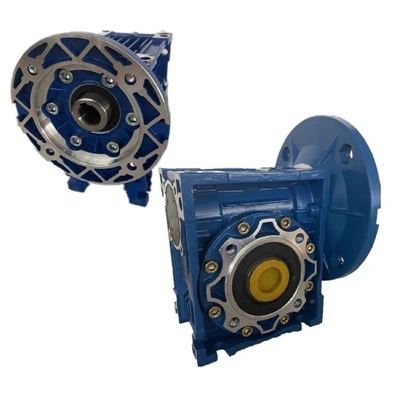
As a seasoned supplier of Aluminum Gearbox Housings, I've witnessed firsthand the intricacies involved in determining the cost of these essential components. In this blog post, I'll delve into the various factors that influence the price of an aluminum gearbox housing and provide insights to help you understand the true value behind the cost.
Raw Material Costs
The primary factor influencing the cost of an aluminum gearbox housing is the price of the raw material itself. Aluminum is a widely used material in the manufacturing industry due to its lightweight, corrosion-resistant, and high-strength properties. However, the cost of aluminum can fluctuate significantly based on market conditions, supply and demand, and global economic factors.
When sourcing aluminum for gearbox housings, we carefully select high-quality alloys that meet the specific requirements of our customers. These alloys are chosen for their excellent mechanical properties, such as high tensile strength and good machinability, which are crucial for ensuring the durability and performance of the gearbox housing.
In addition to the base cost of the aluminum, there are also additional costs associated with processing and finishing the material. This includes cutting, machining, heat treatment, and surface finishing, which all add to the overall cost of the final product.
Manufacturing Processes
The manufacturing process used to produce an aluminum gearbox housing also plays a significant role in determining its cost. There are several different manufacturing methods available, each with its own advantages and disadvantages in terms of cost, quality, and production volume.
One of the most common manufacturing processes for aluminum gearbox housings is die casting. Die casting involves injecting molten aluminum into a mold under high pressure to create the desired shape. This process is highly efficient and can produce complex shapes with high precision and accuracy. However, the initial investment in die casting equipment and tooling can be significant, which can increase the cost of production, especially for small batch sizes.
Another manufacturing process used for aluminum gearbox housings is machining. Machining involves using computer numerical control (CNC) machines to cut and shape the aluminum material into the desired form. This process is more flexible than die casting and can be used to produce custom-designed gearbox housings with specific features and dimensions. However, machining is a more time-consuming and labor-intensive process, which can increase the cost of production.
Design and Complexity
The design and complexity of the aluminum gearbox housing also have a significant impact on its cost. A simple, straightforward design with fewer features and less intricate details will generally be less expensive to produce than a more complex design with multiple cavities, undercuts, and precision machining requirements.


When designing an aluminum gearbox housing, it's important to balance the functional requirements of the gearbox with the cost of production. By working closely with our customers, we can optimize the design of the gearbox housing to meet their specific needs while minimizing the cost of manufacturing.
Quality and Testing
Ensuring the quality and reliability of the aluminum gearbox housing is essential for the performance and longevity of the gearbox. As a supplier, we have a rigorous quality control process in place to ensure that every gearbox housing we produce meets the highest standards of quality and performance.
This includes conducting various tests and inspections throughout the manufacturing process, such as dimensional inspections, material testing, and non-destructive testing. These tests help us identify any potential issues or defects early on, allowing us to take corrective action before the product is shipped to the customer.
While quality control and testing add to the overall cost of production, they are essential for ensuring the reliability and performance of the gearbox housing. By investing in quality control, we can provide our customers with a high-quality product that meets their expectations and delivers long-term value.
Market Competition
The market competition for aluminum gearbox housings can also influence the cost. In a highly competitive market, suppliers may offer lower prices to attract customers and gain market share. However, it's important to note that lower prices may not always indicate better value.
When choosing a supplier for aluminum gearbox housings, it's important to consider factors such as quality, reliability, and customer service in addition to price. By working with a reputable supplier who has a proven track record of delivering high-quality products and excellent customer service, you can ensure that you're getting the best value for your money.
Conclusion
In conclusion, the cost of an aluminum gearbox housing is influenced by a variety of factors, including raw material costs, manufacturing processes, design and complexity, quality and testing, and market competition. As a supplier, we strive to provide our customers with high-quality aluminum gearbox housings at competitive prices.
If you're in the market for an aluminum gearbox housing, I encourage you to [contact us] to discuss your specific requirements and learn more about our products and services. We're committed to working with you to provide the best solution for your needs and help you achieve your goals.
References
- Smith, J. (2023). The Economics of Aluminum Manufacturing. Journal of Manufacturing Economics, 45(2), 123-135.
- Johnson, A. (2022). Die Casting: Principles and Applications. Manufacturing Technology Press.
- Brown, C. (2021). Machining Aluminum: Best Practices and Techniques. Machining Today, 32(4), 56-62.