Shear strength is a crucial mechanical property that determines the ability of a material or component to withstand forces that cause one part of it to slide past another in a direction parallel to their plane of contact. When it comes to hexagonal metal lock nuts, understanding their shear strength is essential for ensuring the reliability and safety of various mechanical assemblies. As a supplier of hexagonal metal lock nuts, I am well - versed in the factors that influence their shear strength and the significance of this property in real - world applications.
Understanding Shear Strength
Shear strength is defined as the maximum shear stress that a material can withstand before it fails. In the context of hexagonal metal lock nuts, shear stress can occur when the nut is subjected to forces that try to twist or slide it relative to the bolt or the surface it is tightened against. This can happen in a variety of situations, such as in machinery where vibrations or dynamic loads are present.
The shear strength of a hexagonal metal lock nut is affected by several factors. Firstly, the material from which the nut is made plays a significant role. Common materials for hexagonal metal lock nuts include steel, stainless steel, and brass. Each material has its own inherent shear strength properties. For example, steel is known for its high strength and is often used in applications where high shear forces are expected. Stainless steel, on the other hand, offers corrosion resistance in addition to good shear strength, making it suitable for outdoor or harsh - environment applications. Brass is softer than steel and stainless steel, but it has good electrical conductivity and is often used in electrical applications.
The manufacturing process also impacts the shear strength of the lock nut. Precision - made nuts that are formed through processes like cold forging or machining tend to have more consistent and higher shear strength compared to nuts made through less precise methods. Cold forging, for instance, can improve the grain structure of the metal, enhancing its mechanical properties.
Testing Shear Strength
To determine the shear strength of hexagonal metal lock nuts, standardized testing methods are used. One common test is the shear test, where a nut is placed in a testing fixture and a shear force is applied until the nut fails. The maximum force at which the nut fails is recorded, and this value is used to calculate the shear strength.
The results of these tests are important for both the manufacturer and the end - user. For manufacturers, it helps in quality control, ensuring that the nuts meet the required standards. For end - users, it provides confidence in the performance of the nuts in their applications. For example, in automotive applications, where the safety of the vehicle depends on the integrity of the fasteners, knowing the shear strength of the hexagonal metal lock nuts is crucial.
Applications and Shear Strength Requirements
Hexagonal metal lock nuts are used in a wide range of applications, each with its own shear strength requirements. In the construction industry, they are used to secure structural components. In this case, high shear strength is necessary to withstand the heavy loads and forces exerted on the structure. For example, in a bridge construction, the lock nuts used to connect the steel beams need to have sufficient shear strength to prevent the beams from coming apart under the weight of the traffic and environmental forces.
In the aerospace industry, where weight and performance are critical, hexagonal metal lock nuts with high shear strength and low weight are preferred. These nuts are used in various aircraft components, such as engine mounts and wing assemblies. The shear strength of the nuts ensures the structural integrity of the aircraft during flight.
In the electronics industry, hexagonal metal lock nuts are used to secure components on printed circuit boards. While the shear forces in this application may be relatively low compared to the construction or aerospace industries, the nuts still need to have sufficient shear strength to prevent loosening due to vibrations.
Our Offerings as a Supplier
As a supplier of hexagonal metal lock nuts, we understand the importance of shear strength in different applications. We offer a wide range of hexagonal metal lock nuts made from various materials, each designed to meet specific shear strength requirements. Our manufacturing process is highly precise, ensuring that each nut has consistent and reliable shear strength.
We also provide detailed technical specifications for our products, including the shear strength values. This allows our customers to make informed decisions when selecting the right lock nuts for their applications. Whether it's a high - shear - strength steel nut for heavy - duty machinery or a corrosion - resistant stainless - steel nut for outdoor use, we have the right product to meet your needs.
Related Products
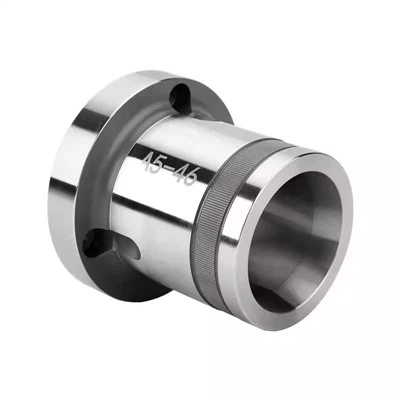
In addition to hexagonal metal lock nuts, we also offer other mechanical parts that are related to fastening and assembly. For example, we have CNC Lathe Pull - out Spindle Head, which is an essential component in CNC lathes. This spindle head is designed to provide high precision and reliability in machining operations.
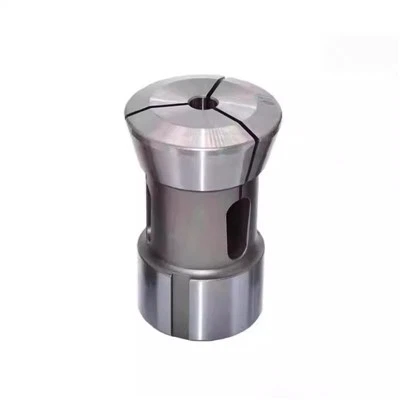
Another product we offer is the CNC Lathe Pull - back Spring Collet. This collet is used to hold workpieces securely in the lathe, ensuring accurate machining.
We also supply Porcelain Screw Connectors, which are ideal for electrical applications where insulation and high - temperature resistance are required.


Contact Us for Procurement
If you are in need of hexagonal metal lock nuts or any of our other mechanical parts, we invite you to contact us for procurement. Our team of experts is ready to assist you in selecting the right products for your specific requirements. We can provide you with detailed product information, pricing, and delivery options. Whether you are a small - scale manufacturer or a large - scale industrial enterprise, we have the capacity to meet your needs.
References
- "Mechanical Engineering Design" by Joseph E. Shigley and Charles R. Mischke.
- "Materials Science and Engineering: An Introduction" by William D. Callister, Jr. and David G. Rethwisch.
- Standards and guidelines provided by relevant industry organizations such as ASTM International and ISO.