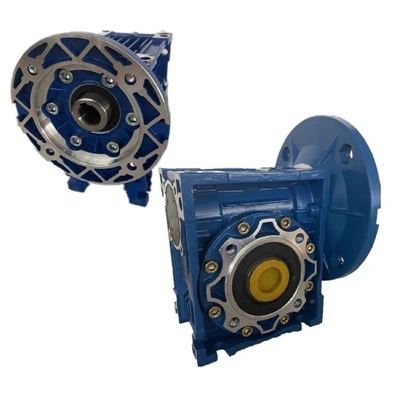
Wear resistance is a crucial factor when it comes to the performance and longevity of an aluminum gearbox housing. As a dedicated supplier of Aluminum Gearbox Housing, I understand the significance of this property and its impact on the overall functionality of the gearbox. In this blog post, I will delve into what wear resistance means for an aluminum gearbox housing, the factors that influence it, and how we ensure high - quality, wear - resistant products.
Understanding Wear Resistance
Wear resistance refers to the ability of a material to withstand the effects of friction, abrasion, and other forms of mechanical wear over time. In the context of an aluminum gearbox housing, wear resistance is essential because the housing is constantly exposed to moving parts, such as gears and shafts. These moving components generate friction and forces that can gradually wear down the housing if it is not sufficiently wear - resistant.
The wear of an aluminum gearbox housing can lead to several problems. For example, it can cause the housing to lose its structural integrity, resulting in leaks, misalignment of gears, and ultimately, a decrease in the efficiency and performance of the gearbox. In extreme cases, excessive wear can even lead to complete failure of the gearbox, which can be costly to repair or replace.
Factors Affecting the Wear Resistance of Aluminum Gearbox Housings
Material Composition
The choice of aluminum alloy plays a significant role in determining the wear resistance of the gearbox housing. Different aluminum alloys have different properties, and some are more wear - resistant than others. For instance, alloys with higher amounts of copper, magnesium, and silicon tend to have better wear resistance. These elements can form hard intermetallic compounds within the aluminum matrix, which help to resist abrasion and wear.
Heat Treatment
Heat treatment is another important factor. By subjecting the aluminum gearbox housing to specific heat - treatment processes, such as annealing, quenching, and tempering, we can improve its mechanical properties, including wear resistance. Heat treatment can change the microstructure of the aluminum alloy, making it harder and more resistant to wear.
Surface Finish
The surface finish of the gearbox housing also affects its wear resistance. A smooth surface finish can reduce friction between the housing and the moving parts, thereby minimizing wear. Additionally, surface treatments such as anodizing can create a hard, protective layer on the surface of the aluminum, further enhancing its wear resistance.
Operating Conditions
The operating conditions of the gearbox can have a significant impact on the wear resistance of the housing. Factors such as the load, speed, and temperature at which the gearbox operates can all influence the rate of wear. For example, a gearbox that operates under high loads and high speeds will experience more wear than one that operates under lighter loads and lower speeds.
Our Approach to Ensuring Wear Resistance
As a supplier of Aluminum Gearbox Housing, we take several steps to ensure that our products have excellent wear resistance.
Material Selection
We carefully select the aluminum alloys based on their wear - resistant properties. We work with high - quality alloys that are known for their durability and ability to withstand wear. Our team of experts analyzes the specific requirements of each customer's application and chooses the most suitable alloy accordingly.
Precision Manufacturing
We use advanced CNC machining techniques to manufacture our gearbox housings. CNC machining allows us to achieve high precision and accuracy in the production process, ensuring that the housing has the correct dimensions and surface finish. This precision helps to reduce friction and wear between the housing and the moving parts.


Quality Control
We have a strict quality control system in place to ensure that every gearbox housing meets our high standards of wear resistance. Our quality control team conducts various tests, including hardness testing, surface roughness testing, and wear testing, to ensure that the housing has the required properties.
Applications of Aluminum Gearbox Housings
Aluminum gearbox housings are widely used in various industries due to their lightweight, corrosion - resistant, and wear - resistant properties. One of the common applications is in ATV Gearbox. ATVs operate in harsh environments, and the gearbox housing needs to be able to withstand the high - stress conditions. Our wear - resistant aluminum gearbox housings are ideal for this application, as they can provide long - lasting performance even in rough terrains.
Another application is in outdoor electrical control boxes. Outdoor Electrical Control Box need to be protected from the elements and mechanical wear. Aluminum gearbox housings can offer the necessary protection and durability, ensuring the reliable operation of the electrical components inside.
Conclusion
In conclusion, wear resistance is a vital property of an aluminum gearbox housing. It directly affects the performance, reliability, and longevity of the gearbox. As a supplier, we are committed to providing high - quality, wear - resistant aluminum gearbox housings that meet the diverse needs of our customers.
If you are in the market for a reliable and wear - resistant aluminum gearbox housing, we invite you to contact us for a detailed discussion. Our team of experts is ready to assist you in finding the best solution for your specific application. Whether you are in the ATV industry or need an outdoor electrical control box, we have the expertise and products to meet your requirements.
References
- Callister, W. D., & Rethwisch, D. G. (2010). Materials Science and Engineering: An Introduction. Wiley.
- ASM Handbook Committee. (2000). ASM Handbook, Volume 2: Properties and Selection: Nonferrous Alloys and Special - Purpose Materials. ASM International.