In the vast landscape of industrial manufacturing, the question of whether cast iron parts can be used in the glass industry is both relevant and intriguing. As a seasoned supplier of cast iron parts, I've witnessed firsthand the diverse applications and potential of these robust components. In this blog, we'll explore the viability of using cast iron parts in the glass industry, examining the properties of cast iron, the requirements of the glass - making process, and the specific applications where cast iron parts can play a crucial role.
Properties of Cast Iron
Cast iron is a group of iron - carbon alloys with a carbon content greater than 2%. It is known for its excellent castability, high wear resistance, and good thermal conductivity. These properties make it a popular choice in many industrial applications.
The high carbon content in cast iron gives it a unique microstructure. Gray cast iron, for example, has graphite flakes embedded in the iron matrix. This structure provides good damping capacity, which is useful for reducing vibrations in machinery. Ductile cast iron, on the other hand, has graphite nodules, which give it higher ductility and toughness compared to gray cast iron.
The wear resistance of cast iron is due to the presence of hard carbide phases in its microstructure. This makes it suitable for applications where parts are subject to abrasion, such as in machinery that handles abrasive materials. The thermal conductivity of cast iron allows it to transfer heat efficiently, which is important in processes where temperature control is crucial.
Requirements of the Glass Industry
The glass industry has specific requirements for the materials used in its manufacturing processes. Glass production involves high - temperature melting, forming, and annealing operations. The materials used in the glass - making equipment must be able to withstand high temperatures, resist corrosion from molten glass and other chemicals, and maintain dimensional stability.
During the melting process, the glass is heated to temperatures ranging from 1400°C to 1600°C. The equipment used in this stage, such as melting furnaces and crucibles, must be able to withstand these extreme temperatures without deforming or reacting with the molten glass.
In the forming stage, glass is shaped into various products, such as bottles, sheets, and fibers. The tools and molds used in this process need to have high precision and wear resistance to ensure the quality of the final product.
Applications of Cast Iron Parts in the Glass Industry
Furnace Components
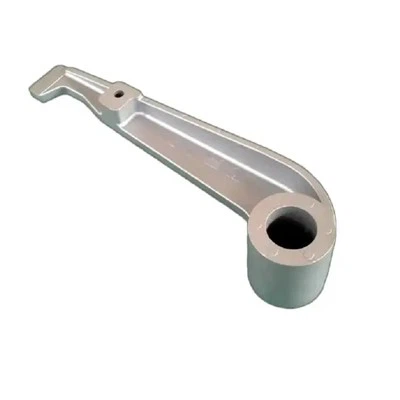
Cast iron parts can be used in glass furnaces. For example, some parts of the furnace structure, such as support brackets and frames, can be made of cast iron. The high strength and good thermal conductivity of cast iron make it suitable for these applications. The support brackets need to be strong enough to hold the heavy components of the furnace, and the thermal conductivity helps in dissipating heat evenly, preventing hot spots that could damage the furnace.
Molding and Forming Tools
In the glass - forming process, cast iron can be used to make molds and tools. Precision Bushing made of cast iron can provide high precision and wear resistance. These bushings are used in machinery that shapes the glass, ensuring smooth and accurate movement of the forming tools.


Liner bushings are also important in the glass industry. Liner Bushing made of cast iron can protect the machinery from wear and corrosion. They are often used in areas where there is contact between moving parts and the glass or other abrasive materials.
Prototype Development
When developing new glass products or processes, Prototype Aluminum Casting can be used in combination with cast iron parts. Cast iron can provide the necessary strength and stability for the prototype, while aluminum casting can be used for more complex and lightweight components. This combination allows for rapid prototyping and testing of new designs in the glass industry.
Advantages of Using Cast Iron Parts in the Glass Industry
- Cost - effectiveness: Cast iron is relatively inexpensive compared to some other high - performance materials. This makes it an attractive option for the glass industry, where cost control is an important factor.
- Availability: Cast iron is widely available, and there are many foundries that can produce cast iron parts to meet the specific requirements of the glass industry.
- Customizability: Cast iron parts can be easily customized to fit the unique needs of the glass - making equipment. Whether it's a specific shape, size, or performance requirement, cast iron can be cast and machined to meet these specifications.
Challenges and Limitations
- High - temperature limitations: Although cast iron has good thermal conductivity, it has a limited ability to withstand extremely high temperatures for extended periods. In some cases, special heat - resistant coatings or alloys may be required to improve its performance in high - temperature glass - making processes.
- Corrosion: Molten glass and some chemicals used in the glass industry can be corrosive to cast iron. Proper surface treatments and coatings are necessary to protect the cast iron parts from corrosion.
Conclusion
In conclusion, cast iron parts can indeed be used in the glass industry. Their unique properties, such as high wear resistance, good thermal conductivity, and cost - effectiveness, make them suitable for a variety of applications in glass manufacturing. From furnace components to molding tools and prototype development, cast iron parts play an important role in the glass - making process.
However, it's important to be aware of the challenges and limitations associated with using cast iron in the glass industry. By addressing these issues through proper material selection, surface treatments, and design considerations, cast iron parts can provide reliable and cost - effective solutions for the glass industry.
If you are in the glass industry and are looking for high - quality cast iron parts, I encourage you to reach out for a procurement discussion. Our team of experts can help you find the right cast iron parts to meet your specific needs.
References
- ASM Handbook, Volume 1: Properties and Selection: Irons, Steels, and High - Performance Alloys. ASM International.
- "Glass Manufacturing Handbook" by P. W. McMillan.