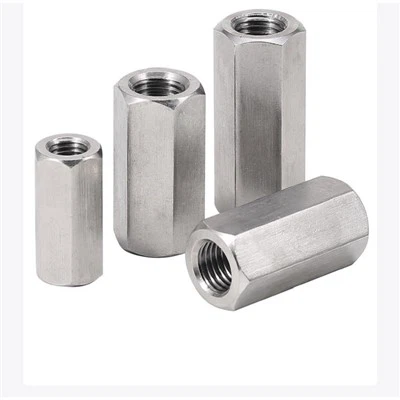
Can hexagonal metal lock nuts be used in textile machinery? This is a question that many in the textile industry may have. As a supplier of Hexagonal Metal Lock Nuts, I'm here to explore this topic in depth and provide you with a comprehensive answer.
Understanding Hexagonal Metal Lock Nuts
Hexagonal metal lock nuts are a type of fastener designed to prevent loosening due to vibration or rotation. They are typically made of metal, such as steel or stainless steel, and have a hexagonal shape that allows for easy installation and removal using a wrench. The locking mechanism can vary, but common types include nylon-insert lock nuts, which have a nylon insert that creates friction to prevent the nut from backing off, and all-metal lock nuts, which use a deformed thread or other mechanical means to achieve the same effect.
The Requirements of Textile Machinery
Textile machinery operates in a unique environment with specific requirements. It often involves high-speed operation, continuous vibration, and exposure to various fibers, dust, and chemicals. The components used in textile machinery need to be reliable, durable, and able to withstand these harsh conditions.
Advantages of Using Hexagonal Metal Lock Nuts in Textile Machinery
- Vibration Resistance: One of the main advantages of hexagonal metal lock nuts is their ability to resist vibration. In textile machinery, where there is constant movement and vibration, a regular nut may loosen over time, leading to potential equipment failure. Hexagonal metal lock nuts, with their locking mechanism, can maintain a secure connection even under high levels of vibration, ensuring the stability and reliability of the machinery.
- Corrosion Resistance: Many textile processes involve the use of chemicals and moisture, which can cause corrosion. Stainless steel hexagonal metal lock nuts offer excellent corrosion resistance, making them suitable for use in textile machinery where exposure to these elements is common. This helps to extend the lifespan of the fasteners and reduces the need for frequent replacements.
- Precision and Stability: Textile machinery requires precise and stable operation. Hexagonal metal lock nuts can provide the necessary precision in tightening, ensuring that components are properly aligned and secured. This helps to maintain the accuracy of the machinery and improve the quality of the textile products.
Considerations When Using Hexagonal Metal Lock Nuts in Textile Machinery
- Size and Thread Compatibility: It is crucial to select the correct size and thread of the hexagonal metal lock nuts to ensure a proper fit with the bolts or studs in the textile machinery. Using the wrong size or thread can lead to a loose connection or damage to the fasteners.
- Load Capacity: Textile machinery may be subject to different loads depending on the specific operation. It is important to choose hexagonal metal lock nuts with the appropriate load capacity to ensure that they can withstand the forces exerted on them.
- Environmental Conditions: In addition to vibration and corrosion, textile machinery may also be exposed to high temperatures, humidity, and dust. Consider the environmental conditions when selecting hexagonal metal lock nuts to ensure that they can perform effectively in these conditions.
Case Studies and Examples
Let's take a look at some real-world examples of how hexagonal metal lock nuts are used in textile machinery. In a spinning mill, hexagonal metal lock nuts are used to secure the components of the spinning frame. The constant vibration from the spinning process can cause regular nuts to loosen, but the use of hexagonal metal lock nuts ensures that the components remain tightly fastened, reducing the risk of downtime and improving the overall efficiency of the mill.
In a weaving machine, hexagonal metal lock nuts are used to hold the various parts of the machine together. The precision and stability provided by these lock nuts are essential for the accurate weaving of fabrics. By preventing loosening, they help to maintain the quality of the woven products.
Other Related Mechanical Parts for Textile Machinery
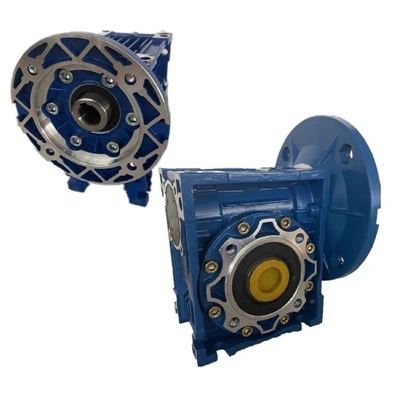
In addition to hexagonal metal lock nuts, there are other mechanical parts that are commonly used in textile machinery. For example, Small Aluminum Gearbox can be used to transfer power and control the speed of the machinery. The lightweight and durable nature of aluminum makes it a suitable material for gearboxes in textile applications.
Another important part is the CNC Lathe Pull-out Spindle Head. This component is used in the manufacturing of textile machinery parts, providing precision and accuracy in the machining process.


Conclusion
In conclusion, hexagonal metal lock nuts can be effectively used in textile machinery. Their vibration resistance, corrosion resistance, and ability to provide precision and stability make them a suitable choice for securing components in this industry. However, it is important to consider factors such as size, thread compatibility, load capacity, and environmental conditions when selecting these lock nuts.
If you are in the textile industry and are interested in purchasing hexagonal metal lock nuts or other mechanical parts for your machinery, I encourage you to contact us for a consultation. We can provide you with the right products and solutions to meet your specific needs.
References
- "Fasteners in Industrial Applications" - A technical guide on the use of fasteners in various industries.
- "Textile Machinery Handbook" - A comprehensive resource on the design, operation, and maintenance of textile machinery.