As a supplier of gearboxes for reduced speed motors, I often receive inquiries from customers about the feasibility of vertical installation of these gearboxes. This topic is not only crucial for the proper functioning of the equipment but also has a significant impact on the overall performance and lifespan of the gearbox. In this blog, I will delve into the key considerations and factors that determine whether a gearbox of a reduced speed motor can be used in a vertical installation.
Understanding the Basics of Gearbox Installation
Before we discuss the vertical installation of gearboxes, it is essential to understand the basic principles of gearbox operation and installation. A gearbox is a mechanical device that is used to transmit power from a motor to a driven load. It consists of a series of gears that are arranged in a specific configuration to achieve the desired speed reduction or increase. The installation of a gearbox is a critical process that requires careful consideration of various factors, such as the type of gearbox, the operating conditions, and the load requirements.
Factors Affecting Vertical Installation
When it comes to vertical installation of a gearbox, there are several factors that need to be taken into account. These factors can significantly impact the performance and reliability of the gearbox. Let's take a closer look at some of the key factors:
Lubrication
One of the most critical factors in vertical installation is lubrication. In a vertical installation, the lubricant tends to flow downwards due to gravity, which can lead to inadequate lubrication in the upper parts of the gearbox. This can result in increased friction, wear, and heat generation, which can ultimately lead to premature failure of the gearbox. To ensure proper lubrication in a vertical installation, it is essential to use a lubricant that has a high viscosity and good adhesion properties. Additionally, the gearbox should be equipped with a proper lubrication system, such as an oil pump or a splash lubrication system, to ensure that the lubricant is distributed evenly throughout the gearbox.
Sealing
Another important factor in vertical installation is sealing. In a vertical installation, the gearbox is exposed to the effects of gravity, which can cause the lubricant to leak out of the gearbox. This can not only lead to a loss of lubrication but also cause environmental pollution. To prevent lubricant leakage, it is essential to use high-quality seals that are designed to withstand the effects of gravity and the operating conditions of the gearbox. Additionally, the gearbox should be regularly inspected and maintained to ensure that the seals are in good condition.

Cooling
In a vertical installation, the gearbox is more prone to overheating due to the reduced airflow and the effects of gravity. Overheating can cause the lubricant to break down, which can lead to increased friction, wear, and heat generation. To prevent overheating, it is essential to ensure that the gearbox is properly cooled. This can be achieved by using a cooling system, such as a fan or a heat exchanger, to remove the heat generated by the gearbox.
Load Distribution
In a vertical installation, the load is distributed differently compared to a horizontal installation. The weight of the gearbox and the driven load can cause additional stress on the gears and bearings, which can lead to premature failure. To ensure proper load distribution, it is essential to use a gearbox that is designed to handle the specific load requirements of the application. Additionally, the gearbox should be properly mounted and aligned to ensure that the load is evenly distributed throughout the gearbox.
Advantages and Disadvantages of Vertical Installation
Like any installation method, vertical installation of a gearbox has its advantages and disadvantages. Let's take a closer look at some of the key advantages and disadvantages:
Advantages
- Space Saving: Vertical installation can save a significant amount of space compared to horizontal installation. This is particularly beneficial in applications where space is limited.
- Improved Drainage: In a vertical installation, the lubricant can drain more easily, which can help to prevent the accumulation of contaminants and moisture in the gearbox.
- Better Accessibility: Vertical installation can provide better accessibility to the gearbox for maintenance and inspection.
Disadvantages
- Lubrication Challenges: As mentioned earlier, vertical installation can pose challenges in terms of lubrication. The lubricant tends to flow downwards due to gravity, which can lead to inadequate lubrication in the upper parts of the gearbox.
- Sealing Challenges: Vertical installation can also pose challenges in terms of sealing. The gearbox is exposed to the effects of gravity, which can cause the lubricant to leak out of the gearbox.
- Overheating: In a vertical installation, the gearbox is more prone to overheating due to the reduced airflow and the effects of gravity.
Applications of Vertical Installation
Despite the challenges associated with vertical installation, there are several applications where it is the preferred installation method. Some of the common applications of vertical installation include:
Elevators
Elevators are one of the most common applications of vertical installation. In an elevator, the gearbox is used to transmit power from the motor to the elevator car. The vertical installation of the gearbox allows for a more compact design and better space utilization.
Conveyor Systems
Conveyor systems are another common application of vertical installation. In a conveyor system, the gearbox is used to drive the conveyor belt. The vertical installation of the gearbox allows for a more efficient use of space and better load distribution.
Wind Turbines
Wind turbines are also a common application of vertical installation. In a wind turbine, the gearbox is used to increase the speed of the generator. The vertical installation of the gearbox allows for a more compact design and better access to the gearbox for maintenance and inspection.
Conclusion
In conclusion, the vertical installation of a gearbox of a reduced speed motor is possible, but it requires careful consideration of various factors, such as lubrication, sealing, cooling, and load distribution. While vertical installation has its advantages, such as space saving and improved drainage, it also poses some challenges, such as lubrication and sealing challenges. Therefore, it is essential to choose a gearbox that is designed to handle the specific requirements of the application and to ensure that the gearbox is properly installed and maintained.
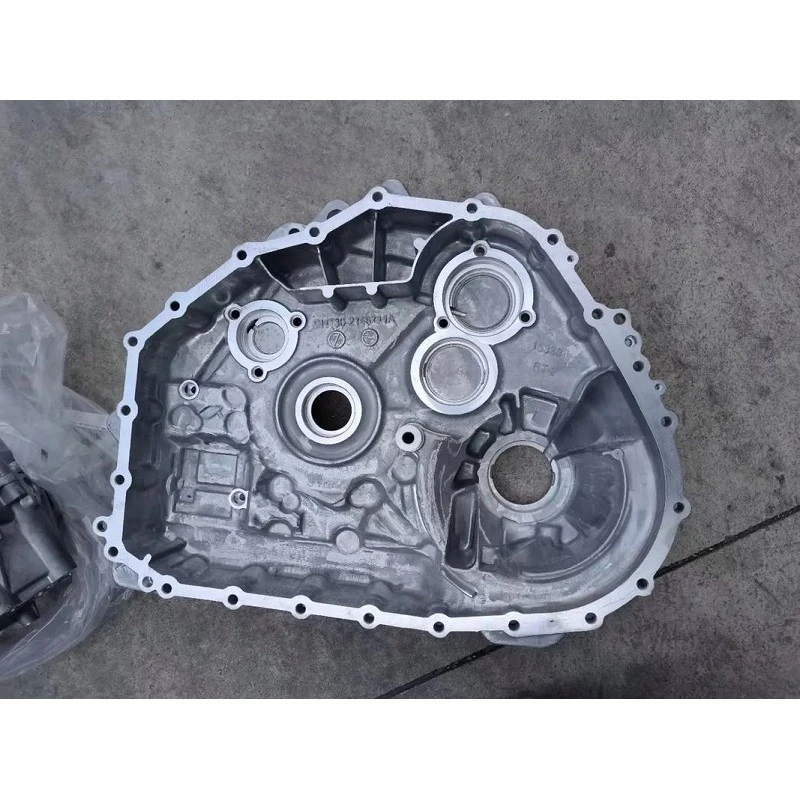
If you are interested in purchasing a gearbox for your reduced speed motor, we are here to help. Our company offers a wide range of high-quality gearboxes that are suitable for various applications. Whether you need a Toy Car Gearbox, an Aluminum Gearbox Housing, or an ATV Gearbox, we have the right solution for you. Contact us today to discuss your requirements and to learn more about our products and services.
References
- "Gearbox Installation and Maintenance Guide," Manufacturer's Manual
- "Lubrication Principles for Gearboxes," Industry Publication
- "Vertical Installation Considerations for Gearboxes," Technical Report