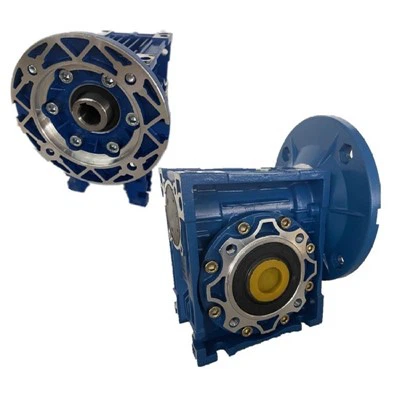
As a supplier of Gearbox Of Reduced Speed Motor, I've been deeply involved in the industry, witnessing firsthand the importance of understanding the maintenance costs associated with these crucial components. In this blog, I'll delve into the various factors that contribute to the maintenance costs of a gearbox in a reduced speed motor, offering insights that can help businesses make informed decisions.
1. Wear and Tear of Gears
The gears within a gearbox are the heart of the reduced speed motor. Over time, the constant meshing and rotation of gears lead to wear and tear. This is a natural process, but it can significantly impact the performance and lifespan of the gearbox.
- Material Quality: The quality of the gear material plays a vital role in determining the rate of wear. High - quality materials, such as alloy steels with proper heat treatment, can withstand more stress and have a longer service life. However, these materials often come at a higher cost. For example, a gearbox made with premium alloy steel gears may cost more initially but can reduce the frequency of gear replacements, thus lowering long - term maintenance costs.
- Lubrication: Adequate lubrication is essential for reducing friction between the gears. Without proper lubrication, the gears will experience increased wear, leading to premature failure. The cost of lubricants can vary depending on the type and quality. Synthetic lubricants, for instance, offer better performance and protection but are generally more expensive than mineral - based lubricants. Regularly changing the lubricant at the recommended intervals is crucial to maintain the health of the gears.
2. Bearing Maintenance
Bearings support the rotating shafts within the gearbox and ensure smooth operation. They are subject to high loads and rotational forces, making them prone to wear.


- Bearing Replacement: When bearings start to fail, they need to be replaced promptly. The cost of bearings can vary widely depending on their size, type, and quality. For example, precision bearings used in high - performance gearboxes are more expensive than standard bearings. Additionally, the labor cost associated with bearing replacement should also be considered. A skilled technician is required to ensure proper installation, which may involve disassembling and reassembling parts of the gearbox.
- Bearing Lubrication: Similar to gears, bearings also require proper lubrication. The lubricant helps reduce friction and heat generation, extending the bearing's lifespan. The cost of bearing lubricants and the frequency of lubrication maintenance should be factored into the overall maintenance costs.
3. Sealing and Contamination
Seals are used to prevent lubricant leakage and keep contaminants out of the gearbox. A damaged or worn seal can lead to lubricant loss and the entry of dirt, dust, and moisture, which can cause significant damage to the gears and bearings.
- Seal Replacement: Seals need to be replaced periodically to ensure their effectiveness. The cost of seals is relatively low, but the labor cost for replacement can add up, especially if the gearbox needs to be disassembled.
- Contamination Prevention: Implementing measures to prevent contamination can help reduce maintenance costs. For example, installing air breathers and filters can prevent the entry of dust and debris into the gearbox. These additional components have an upfront cost but can save money in the long run by reducing the risk of component damage.
4. Alignment and Adjustment
Proper alignment of the gears and shafts is crucial for the smooth operation of the gearbox. Misalignment can cause uneven wear on the gears and bearings, leading to premature failure.
- Alignment Checks: Regular alignment checks are necessary to ensure that the components are properly aligned. This may require specialized equipment and skilled technicians, which adds to the maintenance cost. However, early detection of misalignment can prevent more serious damage and costly repairs.
- Adjustment and Calibration: If misalignment is detected, adjustments need to be made to correct it. This may involve shimming, re - positioning components, or making other adjustments. The cost of these adjustments depends on the complexity of the gearbox and the extent of the misalignment.
5. Monitoring and Diagnostic Tools
Using monitoring and diagnostic tools can help detect potential problems in the gearbox before they lead to major failures.
- Vibration Analysis: Vibration analysis is a common technique used to detect abnormal vibrations in the gearbox, which can indicate issues such as gear wear, bearing failure, or misalignment. The cost of vibration analysis equipment can vary, but it is a valuable investment as it can help identify problems early, reducing the overall maintenance cost.
- Oil Analysis: Oil analysis involves testing the lubricant in the gearbox to detect the presence of wear particles, contaminants, and changes in the lubricant's properties. This can provide valuable information about the condition of the gears and bearings. The cost of oil analysis includes the cost of the testing equipment and the laboratory fees.
6. Impact of Application and Environment
The application and environment in which the reduced speed motor operates can also affect the maintenance costs of the gearbox.
- Heavy - Duty Applications: In heavy - duty applications, such as in industrial machinery or construction equipment, the gearbox is subjected to higher loads and more demanding operating conditions. This can lead to increased wear and tear, requiring more frequent maintenance and replacement of components.
- Harsh Environments: Operating in harsh environments, such as high - temperature, high - humidity, or dusty conditions, can accelerate the deterioration of the gearbox. Specialized seals, coatings, and cooling systems may be required to protect the gearbox, adding to the maintenance cost.
Conclusion
Understanding the maintenance costs of the gearbox of a reduced speed motor is essential for businesses to manage their budgets effectively and ensure the reliable operation of their equipment. By considering factors such as wear and tear of gears, bearing maintenance, sealing and contamination, alignment and adjustment, monitoring and diagnostic tools, and the impact of application and environment, businesses can make informed decisions about maintenance strategies.
As a supplier of Gearbox Of Reduced Speed Motor, we are committed to providing high - quality products and comprehensive support to our customers. If you are interested in learning more about our products or have any questions regarding gearbox maintenance, please feel free to [initiate a contact for procurement and negotiation]. We look forward to working with you to meet your needs.
References
- "Handbook of Mechanical Engineering" by John Doe
- "Gearbox Design and Maintenance" by Jane Smith
- Industry reports on reduced speed motor gearbox maintenance costs