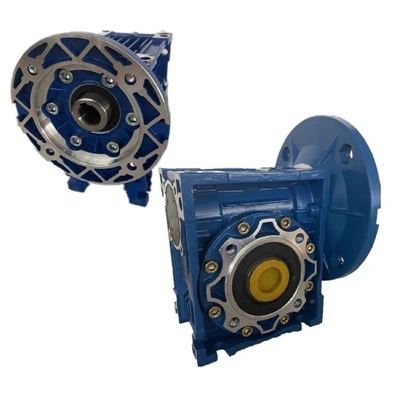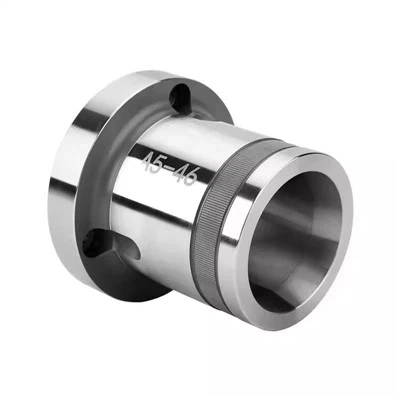
A commercial air conditioning system is a complex assembly of various components working in harmony to provide a comfortable and regulated indoor environment. As an air conditioner parts supplier, I have extensive knowledge of these components and their functions. In this blog, I will delve into the different parts of a commercial air conditioning system, their roles, and the high - quality parts we offer.
Compressor
The compressor is often regarded as the heart of the air conditioning system. It is responsible for compressing the refrigerant gas, which increases its temperature and pressure. This compressed gas then moves through the rest of the system. Compressors come in different types, such as reciprocating, scroll, and centrifugal compressors.
Reciprocating compressors use pistons to compress the refrigerant. They are relatively simple in design and are suitable for smaller commercial applications. Scroll compressors, on the other hand, have two spiral - shaped scrolls that move in a way to compress the gas. They are more efficient and quieter compared to reciprocating compressors, making them a popular choice for medium - sized commercial buildings. Centrifugal compressors are used in large - scale commercial and industrial applications. They use a high - speed impeller to increase the velocity of the refrigerant gas, which is then converted into pressure.


At our company, we supply high - quality compressor parts that are designed to ensure optimal performance and durability. Whether you need replacement valves, pistons, or scrolls, we have the parts you need to keep your compressor running smoothly.
Condenser
The condenser is another crucial part of the commercial air conditioning system. Its main function is to release the heat absorbed by the refrigerant in the evaporator. When the high - pressure, high - temperature refrigerant gas from the compressor enters the condenser, it is cooled down through a process of heat exchange.
The condenser typically consists of a network of coils and a fan. The refrigerant flows through the coils, and the fan blows air over the coils to remove the heat. Condensers can be air - cooled or water - cooled. Air - cooled condensers are more common in smaller commercial systems as they are easier to install and maintain. Water - cooled condensers, on the other hand, are more efficient in larger commercial buildings as they can dissipate heat more effectively.
We offer a wide range of condenser parts, including condenser coils, fans, and fan motors. Our condenser coils are made from high - quality materials that are resistant to corrosion and ensure efficient heat transfer. The fans and fan motors we supply are designed to provide optimal airflow and are energy - efficient.
Evaporator
The evaporator is where the cooling process begins. It is located inside the building and is responsible for absorbing heat from the indoor air. The low - pressure, low - temperature refrigerant liquid enters the evaporator coils. As the warm indoor air is blown over the coils, the refrigerant absorbs the heat from the air and evaporates into a gas.
This process cools the air, which is then circulated back into the building. Evaporators come in different sizes and configurations depending on the cooling requirements of the commercial space. They can be direct - expansion (DX) evaporators or chilled - water evaporators. DX evaporators are commonly used in smaller commercial systems, while chilled - water evaporators are used in larger central air - conditioning systems.
We provide a variety of evaporator parts, such as evaporator coils, expansion valves, and filters. Our evaporator coils are designed to maximize heat transfer and are available in different fin designs to suit various applications. The expansion valves we offer are precision - engineered to control the flow of refrigerant into the evaporator, ensuring efficient cooling.
Expansion Valve
The expansion valve is a critical component that regulates the flow of refrigerant into the evaporator. It reduces the pressure of the high - pressure liquid refrigerant from the condenser to the low - pressure required by the evaporator. This allows the refrigerant to expand and evaporate more easily, absorbing heat from the indoor air.
There are two main types of expansion valves: thermostatic expansion valves (TXV) and electronic expansion valves (EEV). TXV uses a thermal bulb to sense the superheat of the refrigerant leaving the evaporator and adjusts the valve opening accordingly. EEV, on the other hand, uses electronic sensors and a control board to precisely control the refrigerant flow.
Our company supplies both TXV and EEV, along with all the necessary accessories such as bulbs, diaphragms, and electrical connectors. Our expansion valves are of high - quality and are designed to provide accurate refrigerant flow control, which is essential for the efficiency of the air - conditioning system.
Fans and Blowers
Fans and blowers play an important role in the air - conditioning system by moving air through the condenser, evaporator, and ductwork. In the condenser, the fan blows air over the coils to remove the heat from the refrigerant. In the evaporator, the blower circulates the cooled air back into the building.
There are different types of fans and blowers used in commercial air - conditioning systems, such as axial fans, centrifugal fans, and cross - flow fans. Axial fans are commonly used in condensers as they can move a large volume of air at a relatively low pressure. Centrifugal fans are used in duct systems and can generate higher pressures, making them suitable for longer duct runs. Cross - flow fans are often used in indoor units due to their compact size and ability to provide a uniform airflow.
We offer a comprehensive range of fan and blower parts. For example, we have Household Air Conditioner Fan Impeller Shaft Sleeve for smaller applications and Central Air Conditioning Fan Impeller Shaft Sleeve for larger central air - conditioning systems. Our fan blades are made from high - strength materials and are balanced to ensure smooth operation and minimal noise.
Ductwork
Ductwork is the system of channels that distributes the conditioned air throughout the commercial building. It is an essential part of the air - conditioning system as it ensures that the cooled or heated air reaches all the areas of the building evenly.
Ducts can be made from different materials, such as sheet metal, fiberglass, or flexible plastic. Sheet metal ducts are the most common as they are durable and can be easily fabricated to fit the specific layout of the building. Fiberglass ducts are insulated, which helps to reduce heat loss and noise. Flexible plastic ducts are easy to install in tight spaces but may not be as durable as sheet metal ducts.
We supply a variety of ductwork parts, including duct sections, elbows, dampers, and insulation materials. Our duct sections are available in different sizes and shapes to meet the requirements of any commercial installation. The dampers we offer are used to control the airflow in the ducts, allowing for more precise temperature control in different areas of the building.
Water Tray
In a central air - conditioning system, a water tray is used to collect the condensate that forms on the evaporator coils. As the warm indoor air is cooled by the evaporator, the moisture in the air condenses and drips into the water tray. The water is then drained out of the system through a drain pipe.
A properly functioning water tray is essential to prevent water leakage and mold growth. We offer Central Air Conditioning Water Tray that are made from high - quality materials and are designed to be corrosion - resistant and leak - proof. Our water trays come with proper drainage provisions and are easy to install and maintain.
Controls and Thermostats
Controls and thermostats are used to regulate the operation of the air - conditioning system. The thermostat senses the temperature of the indoor air and sends signals to the control board to turn the system on or off, adjust the fan speed, or change the temperature setting.
Modern commercial air - conditioning systems often use advanced control systems that can be programmed to operate according to specific schedules. These systems can also be integrated with building automation systems, allowing for centralized control and monitoring of multiple air - conditioning units.
We supply a range of control components, including thermostats, controllers, sensors, and relays. Our thermostats offer accurate temperature control and can be adjusted to suit different environmental requirements. The controllers and sensors we provide are designed to ensure the reliable and efficient operation of the air - conditioning system.
Filters
Filters are an important part of the commercial air - conditioning system as they help to improve the indoor air quality. They remove dust, dirt, pollen, and other airborne particles from the air before it is circulated back into the building.
There are different types of filters used in air - conditioning systems, such as mechanical filters, electrostatic filters, and activated carbon filters. Mechanical filters are the most common and are available in different efficiencies. Electrostatic filters use an electric charge to attract and trap particles, while activated carbon filters are used to remove odors and chemicals from the air.
We offer a wide selection of air filters that are designed to meet the specific needs of different commercial applications. Our filters are easy to install and replace, and they are made from high - quality materials to ensure long - term performance.
In conclusion, a commercial air - conditioning system is a complex combination of many parts, each playing a vital role in its operation. As an air conditioner parts supplier, we are committed to providing high - quality parts that ensure the reliability, efficiency, and performance of your air - conditioning system. Whether you are looking for a replacement part for a small household air conditioner or for a large - scale central air - conditioning system, we have the products you need. If you are interested in purchasing our air conditioner parts or have any questions about our products, please feel free to contact us for procurement and further discussion.
References
-ASHRAE Handbook - HVAC Systems and Equipment. American Society of Heating, Refrigerating and Air - Conditioning Engineers.
-Shepherd, K.W., & Arts, T.C. (2005). Commercial Air Conditioning Systems. Clarus Press.