As a mechanical parts supplier, I've seen firsthand how crucial it is to have strict inspection criteria for new mechanical parts. In this blog, I'll share some of the key inspection criteria that we use to ensure the quality of our products.
Dimensional Accuracy
One of the most basic yet essential inspection criteria is dimensional accuracy. Mechanical parts need to fit precisely into the systems they're designed for. Even a tiny deviation from the specified dimensions can lead to problems like poor performance, increased wear and tear, or even complete system failure.
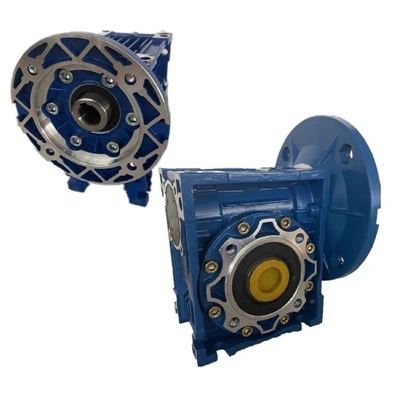
We use a variety of tools to measure dimensions, such as calipers, micrometers, and coordinate measuring machines (CMMs). These tools allow us to check the length, width, height, diameter, and other critical dimensions of the parts. For example, when inspecting a Small Aluminum Gearbox, we'll measure the gear teeth's pitch, the diameter of the shafts, and the overall size of the housing to make sure they match the design specifications.
Material Quality
The quality of the material used in mechanical parts is another important factor. Different applications require different materials, and using the wrong one can have serious consequences. For instance, a part that needs to withstand high temperatures should be made of a heat-resistant material.
We conduct several tests to assess the material quality. Chemical analysis is used to determine the composition of the material. This helps us ensure that the material contains the right elements in the correct proportions. We also perform hardness tests to check the material's resistance to deformation. For example, Hexagonal Metal Lock Nuts need to have a certain level of hardness to prevent them from loosening under vibration.
Surface Finish
The surface finish of a mechanical part can affect its performance and durability. A rough surface can cause increased friction, which can lead to wear and energy loss. On the other hand, a smooth surface can reduce friction and improve the part's efficiency.
We use surface roughness testers to measure the surface finish of our parts. These testers can provide detailed information about the surface texture, such as the average roughness (Ra) and the maximum peak-to-valley height (Rz). For parts like Turnbuckle Fasteners, a smooth surface finish is important to ensure proper operation and prevent corrosion.
Mechanical Properties
Mechanical properties, such as strength, ductility, and toughness, are crucial for the performance of mechanical parts. These properties determine how well a part can withstand external forces without breaking or deforming.
We perform mechanical tests, such as tensile tests, compression tests, and impact tests, to evaluate the mechanical properties of our parts. Tensile tests measure the maximum amount of stress a part can withstand before it breaks. Compression tests are used to determine the part's ability to resist compressive forces. Impact tests assess the part's toughness by measuring its ability to absorb energy when struck.
Functionality
Ultimately, the most important criterion is whether the part functions as intended. We conduct functional tests to ensure that the part can perform its required tasks. For example, for a gearbox, we'll test its gear ratio, torque transmission, and noise level. For a fastener, we'll check its ability to hold components together securely.
Visual Inspection
Visual inspection is also an important part of the inspection process. We look for any visible defects, such as cracks, scratches, or burrs. These defects can not only affect the appearance of the part but also its performance and durability.
During visual inspection, we use magnifying glasses and other optical tools to detect even the smallest defects. We also check for proper labeling and markings on the parts to ensure that they are correctly identified.
Documentation and Traceability
In addition to the physical inspection of the parts, we also maintain detailed documentation and traceability. This includes records of the manufacturing process, test results, and material certificates. Having this information readily available allows us to track the history of each part and ensure that it meets the required standards.
Why These Criteria Matter
By adhering to these inspection criteria, we can ensure that our mechanical parts meet the highest quality standards. This not only helps us build a good reputation in the market but also provides our customers with reliable and long-lasting products.


If you're in the market for high-quality mechanical parts, I encourage you to reach out to us. We'd be happy to discuss your specific needs and provide you with the best solutions. Whether you need a Small Aluminum Gearbox, Hexagonal Metal Lock Nuts, or Turnbuckle Fasteners, we've got you covered.
References
- "Mechanical Engineering Design" by Joseph E. Shigley and Charles R. Mischke
- "Materials Science and Engineering: An Introduction" by William D. Callister Jr. and David G. Rethwisch