Hey there! As a supplier of powder metallurgy parts, I've been getting a lot of questions lately about how these parts hold up in corrosive environments. So, I thought I'd take a moment to share some insights and experiences on this topic.
First off, let's talk about what powder metallurgy is. It's a manufacturing process where metal powders are compacted into a desired shape and then sintered, or heated, to bond the particles together. This process allows for the creation of complex shapes with high precision and excellent material properties.
Now, when it comes to corrosive environments, powder metallurgy parts can have some advantages and disadvantages. Let's start with the advantages.
Advantages of Powder Metallurgy Parts in Corrosive Environments
1. Material Selection
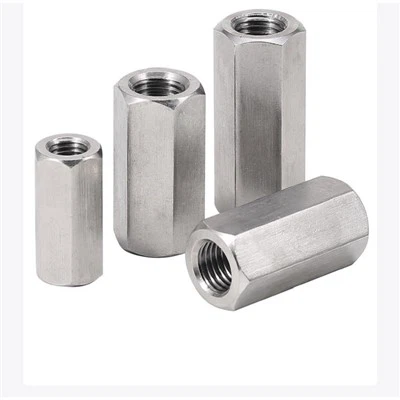
One of the biggest benefits of powder metallurgy is the wide range of materials that can be used. You can choose from different metals and alloys, each with its own corrosion resistance properties. For example, stainless steel powder metallurgy parts are known for their excellent corrosion resistance, making them a great choice for applications in harsh environments.
2. Homogeneous Structure
The powder metallurgy process results in a homogeneous structure, which means that the material properties are consistent throughout the part. This can help to prevent localized corrosion, as there are no weak spots or inhomogeneities in the material.
3. Surface Finish
Powder metallurgy parts can be produced with a smooth surface finish, which can reduce the likelihood of corrosion. A smooth surface is less likely to trap moisture or other corrosive substances, and it can also make it easier to clean and maintain the part.
4. Design Flexibility
With powder metallurgy, you have a lot of design flexibility. You can create parts with complex geometries and features that are difficult or impossible to achieve with other manufacturing processes. This can be especially useful in corrosive environments, where the design of the part can play a role in its corrosion resistance. For example, you can design parts with rounded edges and corners to reduce stress concentrations, which can help to prevent corrosion.
Disadvantages of Powder Metallurgy Parts in Corrosive Environments
1. Porosity
One of the main disadvantages of powder metallurgy parts is that they can have some porosity. Porosity is the presence of small voids or pores in the material, which can provide a pathway for corrosive substances to penetrate the part. However, the level of porosity can be controlled during the manufacturing process, and with proper design and processing, it can be minimized.
2. Surface Defects
Powder metallurgy parts can also have surface defects, such as cracks or pits, which can act as initiation sites for corrosion. These defects can be caused by a variety of factors, including improper processing or handling. However, with proper quality control measures, these defects can be detected and corrected before the parts are used in an application.
3. Coating Compatibility
When using powder metallurgy parts in corrosive environments, it's important to consider the compatibility of any coatings or surface treatments that may be applied. Some coatings may not adhere well to the powder metallurgy material, or they may react with the material in a way that reduces its corrosion resistance. It's important to work with a coating supplier who has experience with powder metallurgy parts to ensure that the coating is compatible and provides the desired level of protection.
Real-World Examples
Let's take a look at some real-world examples of how powder metallurgy parts are used in corrosive environments.
1. Automotive Industry
In the automotive industry, powder metallurgy parts are used in a variety of applications, including engine components, transmission parts, and brake systems. These parts are often exposed to harsh environments, such as high temperatures, moisture, and chemicals. For example, powder metallurgy valve seats are used in engines to provide a wear-resistant and corrosion-resistant surface for the valves. These parts are typically made from stainless steel or other corrosion-resistant alloys to ensure long-term performance.
2. Aerospace Industry
In the aerospace industry, powder metallurgy parts are used in critical applications where weight, strength, and corrosion resistance are important. For example, powder metallurgy turbine blades are used in jet engines to withstand high temperatures and corrosive gases. These parts are typically made from high-performance alloys, such as nickel-based superalloys, which have excellent corrosion resistance and mechanical properties.
3. Medical Industry
In the medical industry, powder metallurgy parts are used in a variety of applications, including surgical instruments, implants, and dental equipment. These parts are often exposed to bodily fluids and other corrosive substances, so it's important that they have excellent corrosion resistance. For example, powder metallurgy surgical instruments are typically made from stainless steel or other biocompatible materials to ensure that they are safe and effective for use in the human body.


Comparing with Other Materials
It's also worth comparing powder metallurgy parts with other materials commonly used in corrosive environments, such as Cast Iron Parts, Copper Parts, and Prototype Aluminum Casting.
1. Cast Iron Parts
Cast iron is a widely used material due to its low cost and good casting properties. However, it has relatively poor corrosion resistance compared to powder metallurgy parts, especially in environments with high levels of moisture or chemicals. Powder metallurgy parts can offer better corrosion resistance and can be designed with more complex geometries to meet specific application requirements.
2. Copper Parts
Copper has good corrosion resistance in many environments, especially in marine applications. However, it can be expensive and may not be suitable for all applications due to its relatively low strength. Powder metallurgy parts can be made from a variety of materials, including copper alloys, which can offer a combination of corrosion resistance and strength at a more cost-effective price.
3. Prototype Aluminum Casting
Aluminum is a lightweight and corrosion-resistant material that is commonly used in aerospace and automotive applications. However, aluminum casting can have some limitations in terms of design flexibility and surface finish. Powder metallurgy parts can offer better design flexibility and can be produced with a smooth surface finish, which can improve their corrosion resistance.
Tips for Using Powder Metallurgy Parts in Corrosive Environments
If you're considering using powder metallurgy parts in a corrosive environment, here are some tips to help ensure their long-term performance:
1. Choose the Right Material
Select a material that has the appropriate corrosion resistance for your specific application. Consider factors such as the type of corrosive substance, the temperature, and the humidity of the environment.
2. Control Porosity
Work with your powder metallurgy supplier to control the porosity of the parts. This can be achieved through proper processing parameters, such as compaction pressure and sintering temperature.
3. Apply a Coating or Surface Treatment
Consider applying a coating or surface treatment to the parts to provide an additional layer of protection against corrosion. Make sure the coating is compatible with the powder metallurgy material and the application environment.
4. Maintain Proper Design
Design the parts to minimize stress concentrations and to promote good drainage and ventilation. This can help to reduce the likelihood of corrosion.
5. Regular Inspection and Maintenance
Regularly inspect the parts for signs of corrosion and perform any necessary maintenance, such as cleaning and re-coating.
Contact Us for Your Powder Metallurgy Needs
If you're looking for high-quality powder metallurgy parts that can perform well in corrosive environments, we'd love to hear from you. As a leading supplier of powder metallurgy parts, we have the expertise and experience to provide you with the best solutions for your specific application. Contact us today to discuss your requirements and get a quote.
References
- "Powder Metallurgy: Principles and Applications" by Randall M. German
- "Corrosion Engineering" by Mars G. Fontana
- "Materials Science and Engineering: An Introduction" by William D. Callister Jr. and David G. Rethwisch