As a seasoned supplier in the field of mechanical parts processing, I've witnessed firsthand the transformative power of effectively utilizing resources. In this blog post, I'll share some strategies and insights on how to make full use of resources in mechanical parts processing, drawing from my years of experience in the industry.
1. Raw Material Management
The foundation of efficient mechanical parts processing lies in proper raw material management. Selecting the right materials is crucial for ensuring the quality and performance of the final products. When choosing raw materials, consider factors such as the mechanical properties required for the part, cost, availability, and environmental impact.
For instance, if you're manufacturing Powder Metallurgy Parts, the choice of powder materials can significantly affect the density, strength, and wear resistance of the parts. Conduct thorough research on different powder compositions and their suitability for your specific applications. Additionally, establish long - term partnerships with reliable raw material suppliers. This not only ensures a stable supply of high - quality materials but also allows you to negotiate better prices.
To minimize waste, implement accurate material scoping and cutting plans. Use computer - aided design (CAD) and computer - aided manufacturing (CAM) software to optimize the layout of parts on raw material sheets or bars. This can reduce scrap material and increase the yield of usable parts from each piece of raw material.
2. Equipment Utilization
Modern mechanical parts processing often relies on advanced equipment such as CNC machines, lathes, milling machines, and grinders. To make the most of these resources, it's essential to keep the equipment well - maintained and operated at peak efficiency.
Regular maintenance schedules should be established for all processing equipment. This includes routine inspections, lubrication, calibration, and replacement of worn - out parts. By preventing breakdowns and malfunctions, you can minimize downtime and ensure continuous production.
Train your operators to use the equipment to its full potential. Provide comprehensive training programs that cover not only basic operation but also advanced techniques such as programming, toolpath optimization, and troubleshooting. Skilled operators can make adjustments on the fly, improving the quality of parts and reducing the time required for each machining operation.
Moreover, consider the multi - functionality of the equipment. Some CNC machines, for example, can be used for a variety of operations, such as turning, milling, and drilling. By leveraging the full capabilities of your equipment, you can reduce the need for additional machinery and save on capital costs.
3. Human Resources
Your workforce is one of your most valuable resources in mechanical parts processing. Skilled and motivated employees can drive innovation, improve quality, and increase productivity.
Invest in continuous training and development programs for your employees. This can include technical training on new processing techniques, as well as soft skills training such as communication and teamwork. Encourage employees to pursue certifications and attend industry conferences to stay up - to - date with the latest trends and technologies.
Create a positive work environment that fosters creativity and collaboration. Recognize and reward employees for their contributions, and provide opportunities for career advancement. A happy and engaged workforce is more likely to be productive and committed to the success of your business.
Effective human resource management also involves proper job allocation. Match employees' skills and expertise with the tasks at hand to ensure that each worker is working on projects that they are well - suited for. This can improve the quality of work and reduce the likelihood of errors.
4. Energy and Utility Management
Energy consumption is a significant cost in mechanical parts processing. Implement energy - saving measures to reduce your energy bills and minimize your environmental footprint.
Upgrade to energy - efficient equipment. Newer models of CNC machines and other processing equipment often come with advanced energy - saving features such as variable - speed drives and automatic power - off functions. These features can significantly reduce energy consumption during operation.
Optimize your production processes to minimize energy use. For example, group similar machining operations together to reduce the number of times the equipment needs to be started and stopped. This can save both energy and time.
In addition to energy, manage other utilities such as water and air. Implement water - recycling systems to reduce water consumption, and ensure that all compressed air systems are leak - free. Leaks in compressed air systems can waste a substantial amount of energy and increase operating costs.
5. Information and Technology Resources
In today's digital age, information and technology play a vital role in mechanical parts processing. Utilize software tools and data analytics to improve your processes and decision - making.
CAD and CAM software are essential for designing and programming machining operations. These tools allow you to create accurate 3D models of parts, simulate machining processes, and generate optimized toolpaths. By using these software tools effectively, you can reduce the time and cost associated with prototyping and production.
Implement a manufacturing execution system (MES) to monitor and control your production processes in real - time. An MES can provide valuable information on production status, equipment utilization, and quality control. This data can be used to identify bottlenecks in the production process, optimize workflows, and make informed decisions about resource allocation.
Furthermore, stay informed about the latest industry trends and technological advancements. Subscribe to industry publications, participate in online forums, and network with other professionals in the field. This can help you stay ahead of the competition and identify new opportunities for growth.


6. Waste Management and Recycling
Proper waste management is an important aspect of resource utilization in mechanical parts processing. Instead of simply disposing of waste materials, look for ways to recycle and reuse them.
For metal waste, establish a recycling program. Many metal scraps can be melted down and reused in the production of new parts. This not only reduces the cost of raw materials but also has environmental benefits.
In addition to metal waste, consider recycling other materials such as coolant fluids. Coolant recycling systems can remove contaminants from used coolant, extending its lifespan and reducing the need for frequent replacement.
7. Collaboration and Partnerships
Collaborating with other companies in the industry can be a great way to make full use of resources. Partner with suppliers, customers, and even competitors to share knowledge, expertise, and resources.
For example, you can collaborate with suppliers to develop new materials or improve the quality of existing ones. By working together, you can leverage each other's strengths and achieve better results.
Partnering with customers can also provide valuable insights into their needs and requirements. This can help you develop more customized products and improve your overall customer service.
In some cases, collaborating with competitors can also be beneficial. You can share production facilities during off - peak times, reducing idle capacity and improving resource utilization for both parties.
Conclusion
Making full use of resources in mechanical parts processing is a multifaceted challenge that requires a comprehensive approach. By effectively managing raw materials, equipment, human resources, energy, information, and waste, you can improve the efficiency, quality, and profitability of your business.
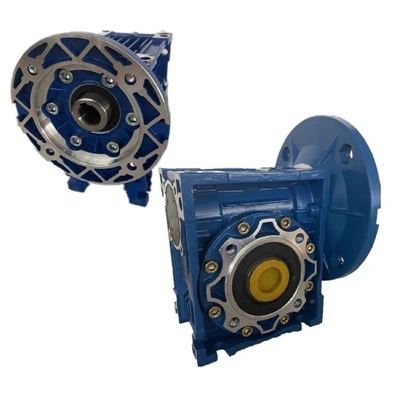
If you're in the market for high - quality mechanical parts processing services, we'd love to have a conversation with you. Whether you need Outdoor Electrical Control Box or Gearbox Of Reduced Speed Motor, our team is ready to provide you with the best solutions. Contact us to start a procurement negotiation and discover how we can meet your specific needs.
References
- Smith, J. (2020). Advanced Manufacturing Technologies. Publisher XYZ.
- Johnson, A. (2019). Resource Management in the Manufacturing Industry. Journal of Manufacturing Excellence.
- Brown, C. (2018). The Future of Mechanical Parts Processing. Industry Insights Magazine.